
Grilling as a Regional Food Tradition in American Homes
Across the United States, grilling is more than just a cooking method. It’s part of how regional food traditions are shared, adapted, and celebrated at home. From backyard cookouts in the Midwest to coastal seafood grills in the South and West, the way people grill often reflects where they live and what ingredients are most common in their region.
At Regional Food Solutions, we focus on how food traditions evolve locally while still following smart, safe, and practical cooking methods. Grilling is a perfect example of that balance between tradition and technique.
How Regional Ingredients Shape Grilling Styles
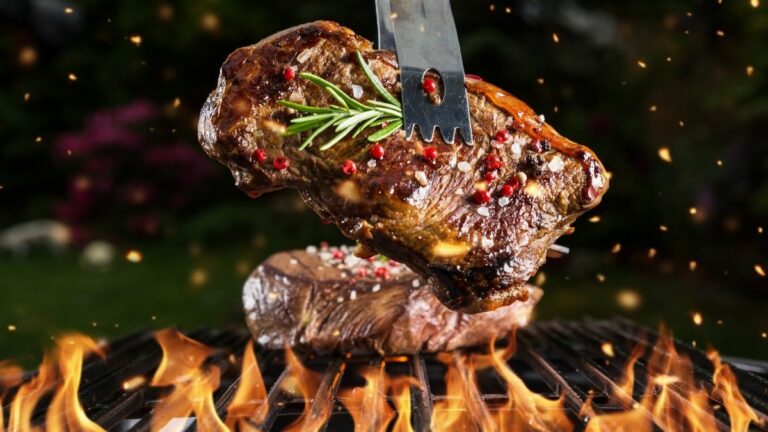
Different regions bring different proteins, seasonings, and cooking preferences to the grill. In pork-heavy regions, slow grilling and indirect heat are often preferred. In areas where beef dominates, high-heat searing plays a bigger role. Coastal regions lean toward lighter proteins like fish and shellfish, which require faster cooking and more precise temperature control.
No matter the region, understanding how heat, timing, and preparation work together is key. The tools used may look similar from one backyard to another, but how they’re used often reflects local habits passed down through families and communities.
Essential Grilling Tools Every Home Cook Should Understand
While recipes change from region to region, the foundation of good grilling stays the same. Reliable tools help home cooks adapt regional recipes without sacrificing results.
Some of the most commonly used tools include:
- Grills suited for direct or indirect heat
- Long-handled tongs and spatulas for control and safety
- Thermometers to confirm doneness
- Grill brushes and maintenance tools
Knowing how and when to use these tools correctly matters just as much as owning them. A detailed breakdown of grilling tools and techniques can help home cooks understand why certain methods work better for different foods and settings, especially when cooking for small gatherings or home-based parties.
Techniques That Improve Consistency and Food Safety
One of the biggest challenges in home grilling is consistency. Regional recipes may rely on instinct or tradition, but modern techniques help ensure food is cooked safely and evenly.
Temperature control is one of the most important skills to master. According to the USDA, meats must reach specific internal temperatures to be considered safe for consumption. Using a thermometer instead of relying on appearance alone reduces the risk of undercooked food, especially when cooking for groups.
The USDA Food Safety and Inspection Service (FSIS) also recommends avoiding cross-contamination by using separate tools for raw and cooked foods. These guidelines apply no matter what region you’re cooking in or what flavors you prefer.
Grilling for Home-Based Gatherings and Small Events
Grilling at home for friends and family is one of the most common ways regional food traditions are shared. These gatherings often mix different cooking styles, flavors, and techniques into one meal.
Home-based grilling works best when cooks understand:
- How long different proteins take to cook
- When to use direct vs. indirect heat
- How resting time affects final texture
By combining regional recipes with reliable grilling methods, hosts can serve food that’s both authentic and properly prepared.
Why Regional Context Still Matters
While tools and safety standards are universal, regional context gives grilling its personality. Marinades, rubs, wood choices, and side dishes all reflect local preferences. The goal isn’t to replace tradition with technique, but to support it.
At Regional Food Solutions, we believe understanding the “why” behind cooking methods helps preserve regional food culture while improving results. Grilling is one of the clearest examples of how tradition and practical knowledge can work together.
Related Read: https://regionalfoodsolutions.com/why-older-pitmasters-still-rule-the-grill/
Final Thoughts
Grilling continues to play a central role in American home cooking, especially when it comes to regional food traditions. With the right tools, techniques, and safety awareness, home cooks can honor those traditions while cooking confidently for others.
By blending regional flavors with proven grilling practices, backyard cooking becomes both meaningful and reliable—no matter where you live or who’s coming over for dinner.
Mark Turner
Mark Turner is a food lover who likes to travel the world and find food that he never tasted before. With all the tasting he did all over he can write some amazing content related to food and cooking. You can read more about Mark Turner here.